| Preview |
Picture Data |
File Info |
Comment |
|
|
Interior view of the chapel
1599-1600
Oil on canvas
Contarelli Chapel, San Luigi dei Francesi, Rome
|
1100*1495
True Color
249 Kb
|
|
|
|
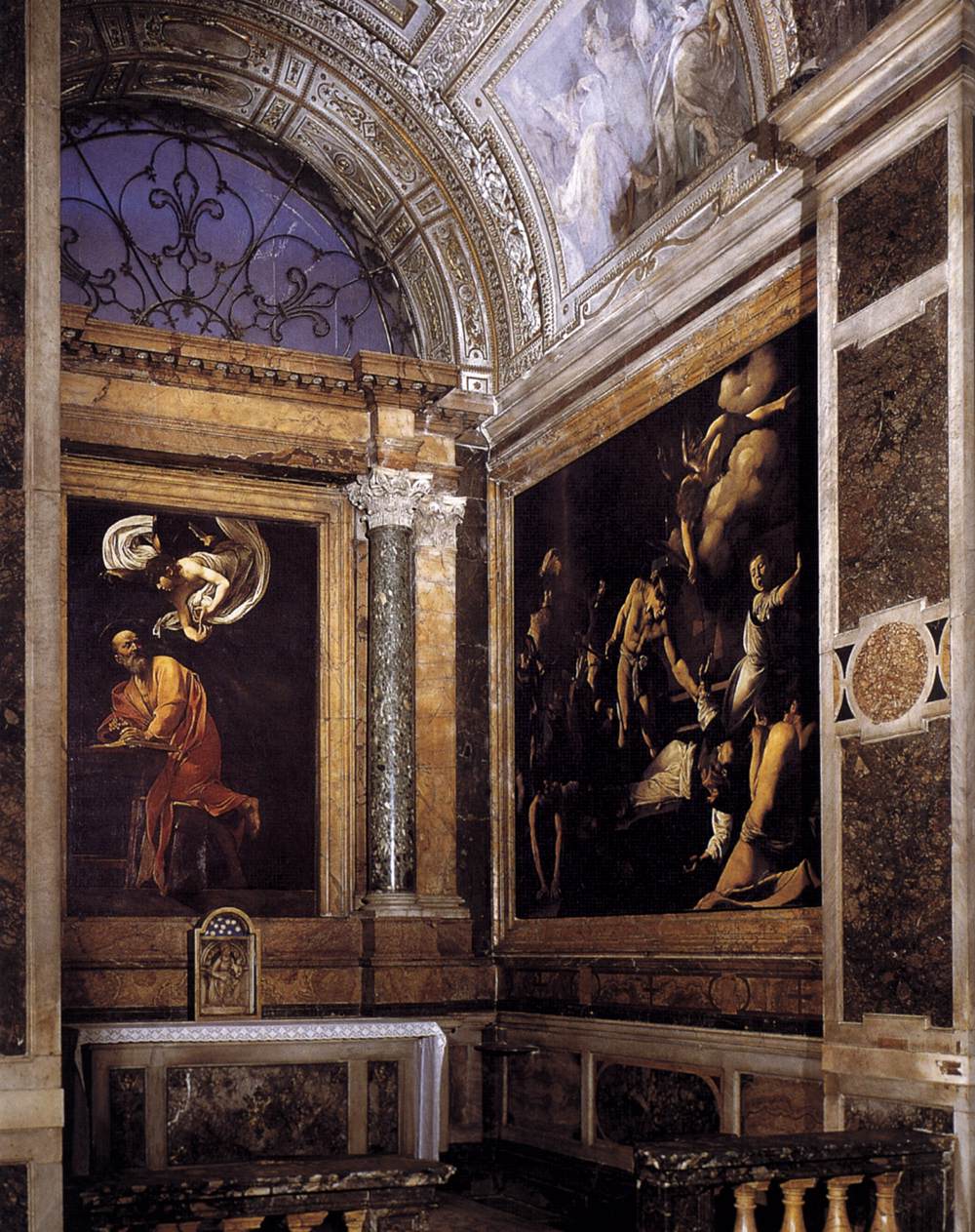
Interior view of the chapel
1599-1600
Oil on canvas
Contarelli Chapel, San Luigi dei Francesi, Rome
|
1000*1263
True Color
224 Kb
|
|
|
|
The Calling of Saint Matthew
1599-1600
Oil on canvas, 322 x 340 cm
Contarelli Chapel, San Luigi dei Francesi, Rome
|
1590*1500
True Color
135 Kb
|

|
|
|
The Calling of Saint Matthew
1599-1600
Oil on canvas, 322 x 340 cm
Contarelli Chapel, San Luigi dei Francesi, Rome
|
1060*1001
True Color
113 Kb
|
|
|
|
The Calling of Saint Matthew (detail)
1599-1600
Oil on canvas, width of detail: 86 cm
Contarelli Chapel, San Luigi dei Francesi, Rome
|
908*1102
True Color
133 Kb
|
|
|
|
The Calling of Saint Matthew (detail)
1599-1600
Oil on canvas, width of detail: 92 cm
Contarelli Chapel, San Luigi dei Francesi, Rome
|
907*1101
True Color
135 Kb
|
|
|
|
The Calling of Saint Matthew (detail)
1599-1600
Oil on canvas
Contarelli Chapel, San Luigi dei Francesi, Rome
|
900*1025
True Color
115 Kb
|
|
|
|
The Calling of Saint Matthew (detail)
1599-1600
Oil on canvas
Contarelli Chapel, San Luigi dei Francesi, Rome
|
647*946
True Color
119 Kb
|
|
|
|
The Calling of Saint Matthew (detail)
1599-1600
Oil on canvas, width of detail: 30 cm
Contarelli Chapel, San Luigi dei Francesi, Rome
|
731*900
True Color
96 Kb
|
|
|
|
The Calling of Saint Matthew (detail)
1599-1600
Oil on canvas
Contarelli Chapel, San Luigi dei Francesi, Rome
|
970*668
True Color
88 Kb
|
|
|
|
The Calling of Saint Matthew (detail)
1599-1600
Oil on canvas
Contarelli Chapel, San Luigi dei Francesi, Rome
|
566*975
True Color
124 Kb
|
|
|
|
The Calling of Saint Matthew (detail)
1599-1600
Oil on canvas
Contarelli Chapel, San Luigi dei Francesi, Rome
|
800*1050
True Color
74 Kb
|
|
|
|
The Calling of Saint Matthew (detail)
1599-1600
Oil on canvas
Contarelli Chapel, San Luigi dei Francesi, Rome
|
1027*1000
True Color
88 Kb
|
|
|
|
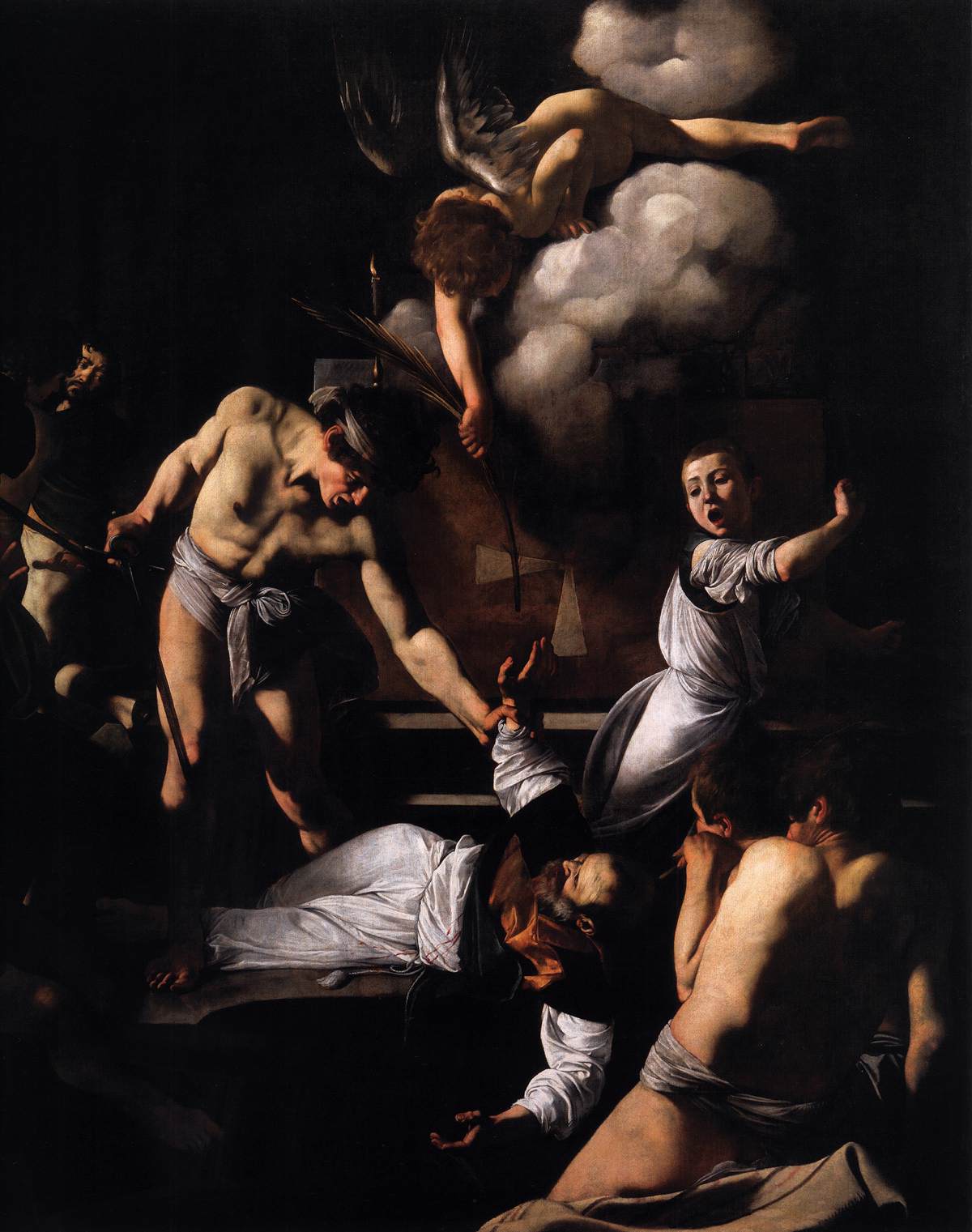
The Martyrdom of St Matthew
1599-1600
Oil on canvas, 323 x 343 cm
Contarelli Chapel, San Luigi dei Francesi, Rome
|
1169*1100
True Color
121 Kb
|
|
|
|
The Martyrdom of St Matthew (detail)
1599-1600
Oil on canvas
Contarelli Chapel, San Luigi dei Francesi, Rome
|
1200*1521
True Color
146 Kb
|
|
|
|
The Martyrdom of St Matthew (detail)
1599-1600
Oil on canvas, width of detail: 90 cm
Contarelli Chapel, San Luigi dei Francesi, Rome
|
827*1000
True Color
97 Kb
|
|
|
|
The Martyrdom of St Matthew (detail)
1599-1600
Oil on canvas, width of detail: 49 cm
Contarelli Chapel, San Luigi dei Francesi, Rome
|
701*860
True Color
66 Kb
|
|
|
|
The Martyrdom of St Matthew (detail)
1599-1600
Oil on canvas, width of detail: 49 cm
Contarelli Chapel, San Luigi dei Francesi, Rome
|
858*1050
True Color
115 Kb
|
|
|
|
The Martyrdom of St Matthew (detail)
1599-1600
Oil on canvas, width of detail: 90 cm
Contarelli Chapel, San Luigi dei Francesi, Rome
|
809*1000
True Color
124 Kb
|
|
|
|
The Martyrdom of St Matthew (detail)
1599-1600
Oil on canvas, width of detail: 90 cm
Contarelli Chapel, San Luigi dei Francesi, Rome
|
770*850
True Color
104 Kb
|
|
|
|
St Matthew and the Angel
1602
Oil on canvas, 232 x 183 cm
Formerly Kaiser-Friedrich-Museum, Berlin
|
634*800
Grayscale
77 Kb
|
|
|
|
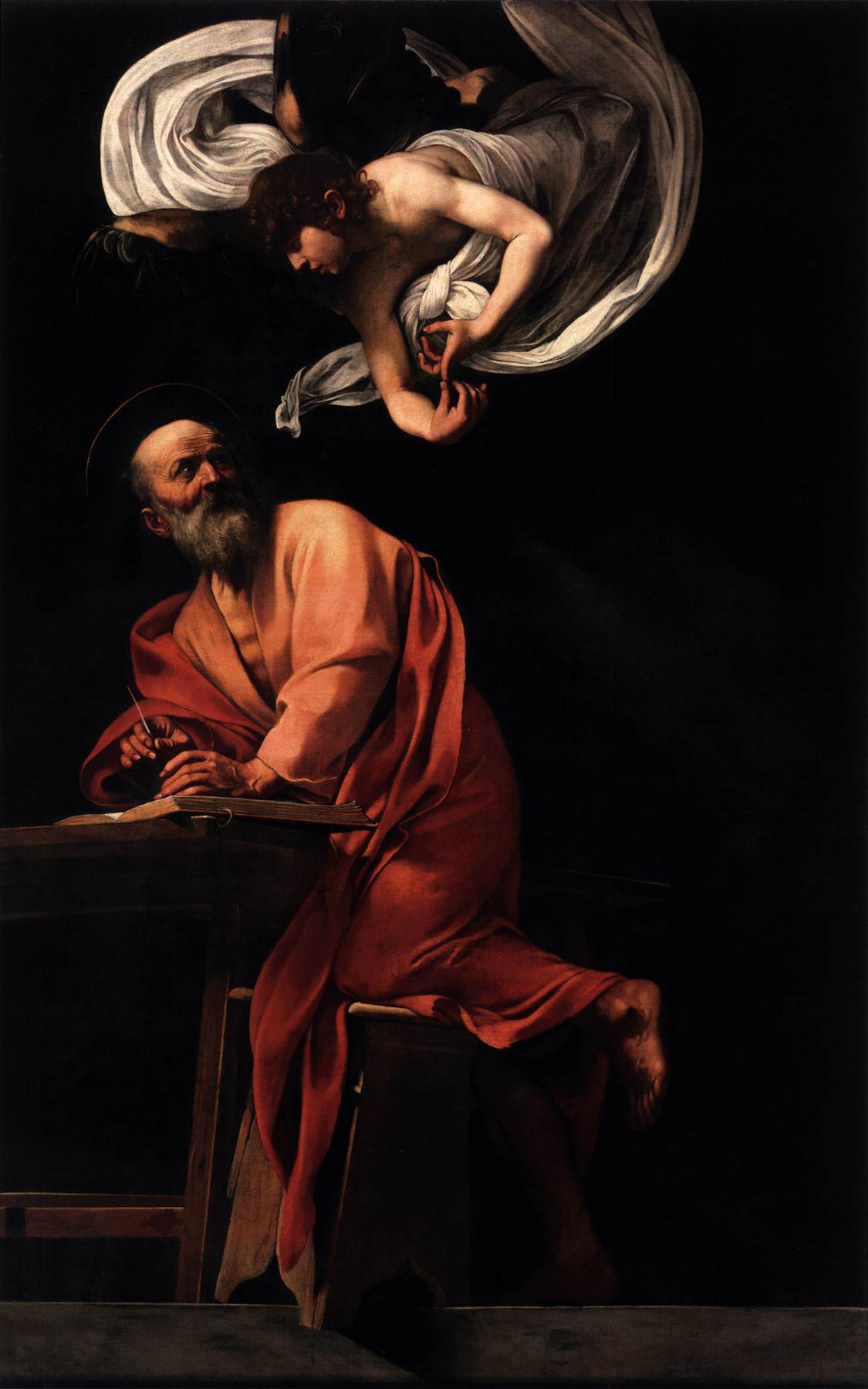
The Inspiration of Saint Matthew
1602
Oil on canvas, 296 x 189 cm
Contarelli Chapel, San Luigi dei Francesi, Rome
|
1125*1800
True Color
124 Kb
|
|
|
|
The Inspiration of Saint Matthew (detail)
1602
Oil on canvas
Contarelli Chapel, San Luigi dei Francesi, Rome
|
1109*1500
True Color
169 Kb
|
|
 Suggested listening (streaming mp3, 8 minutes):