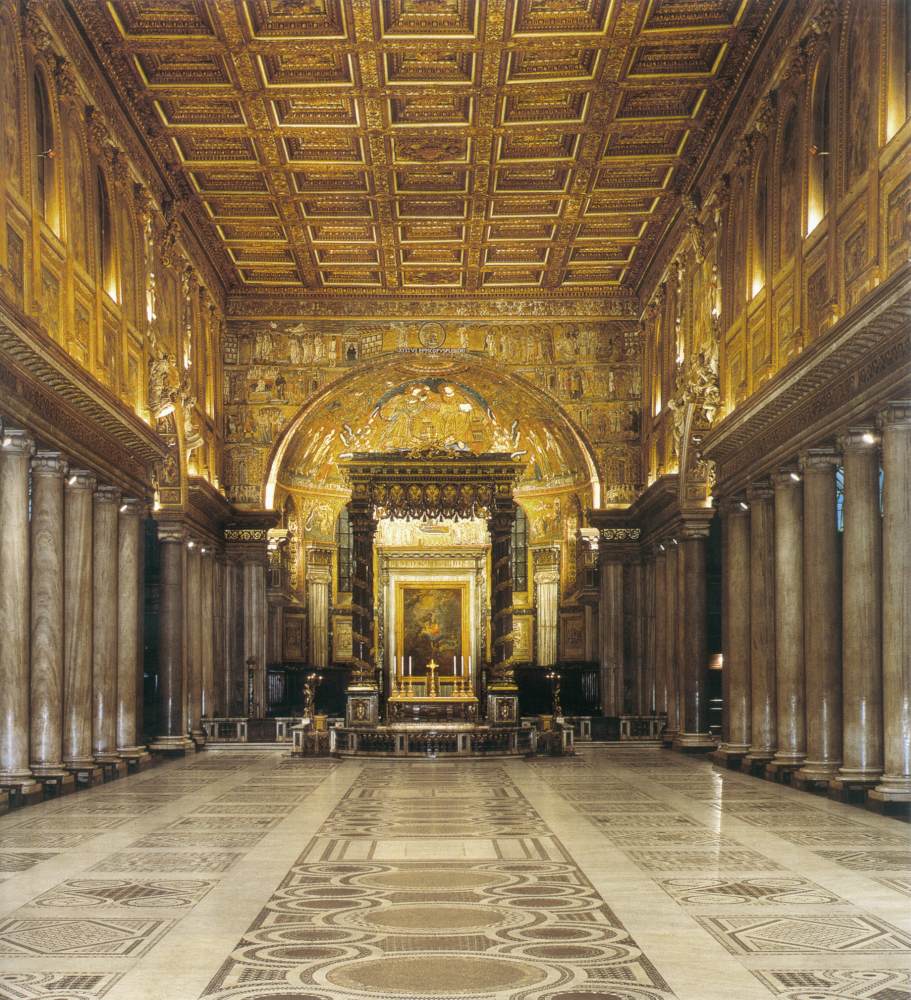
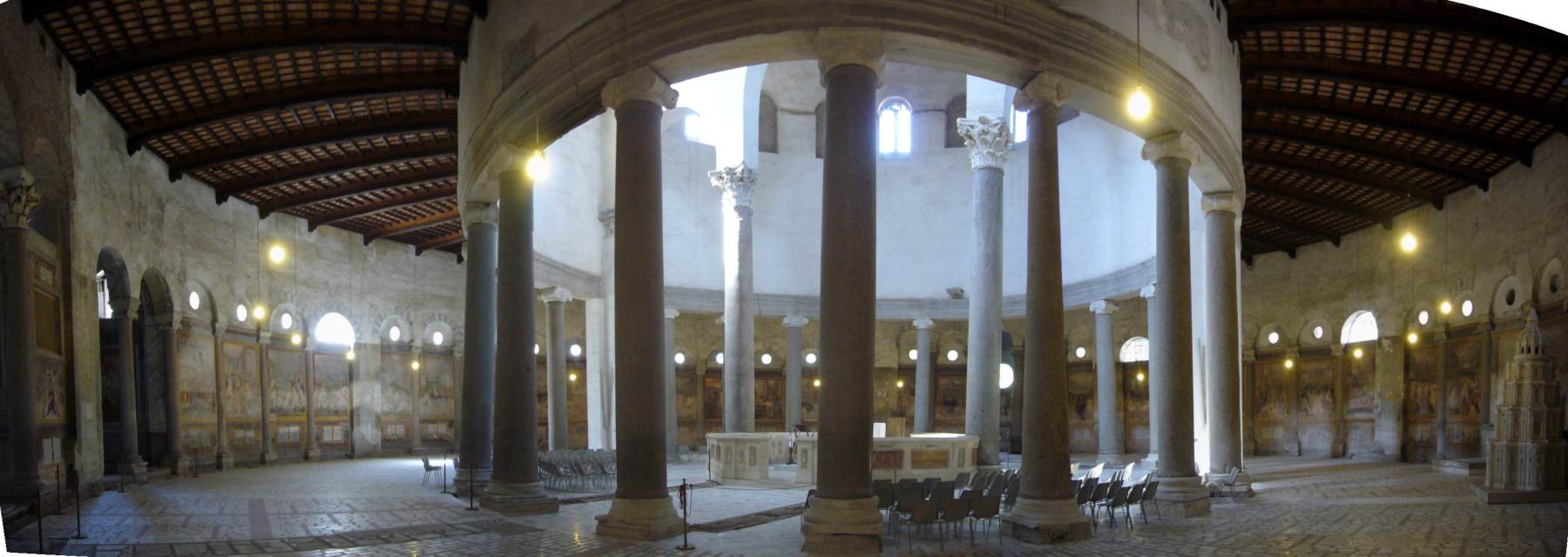
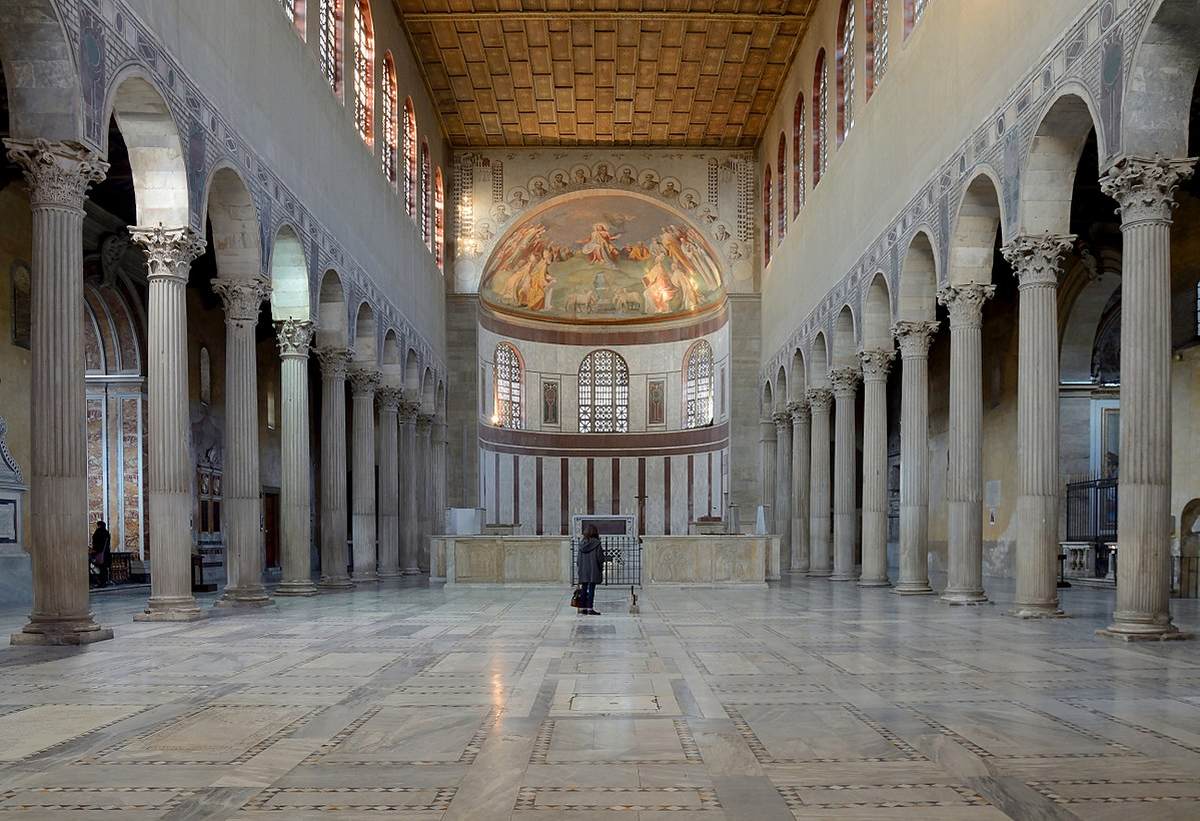
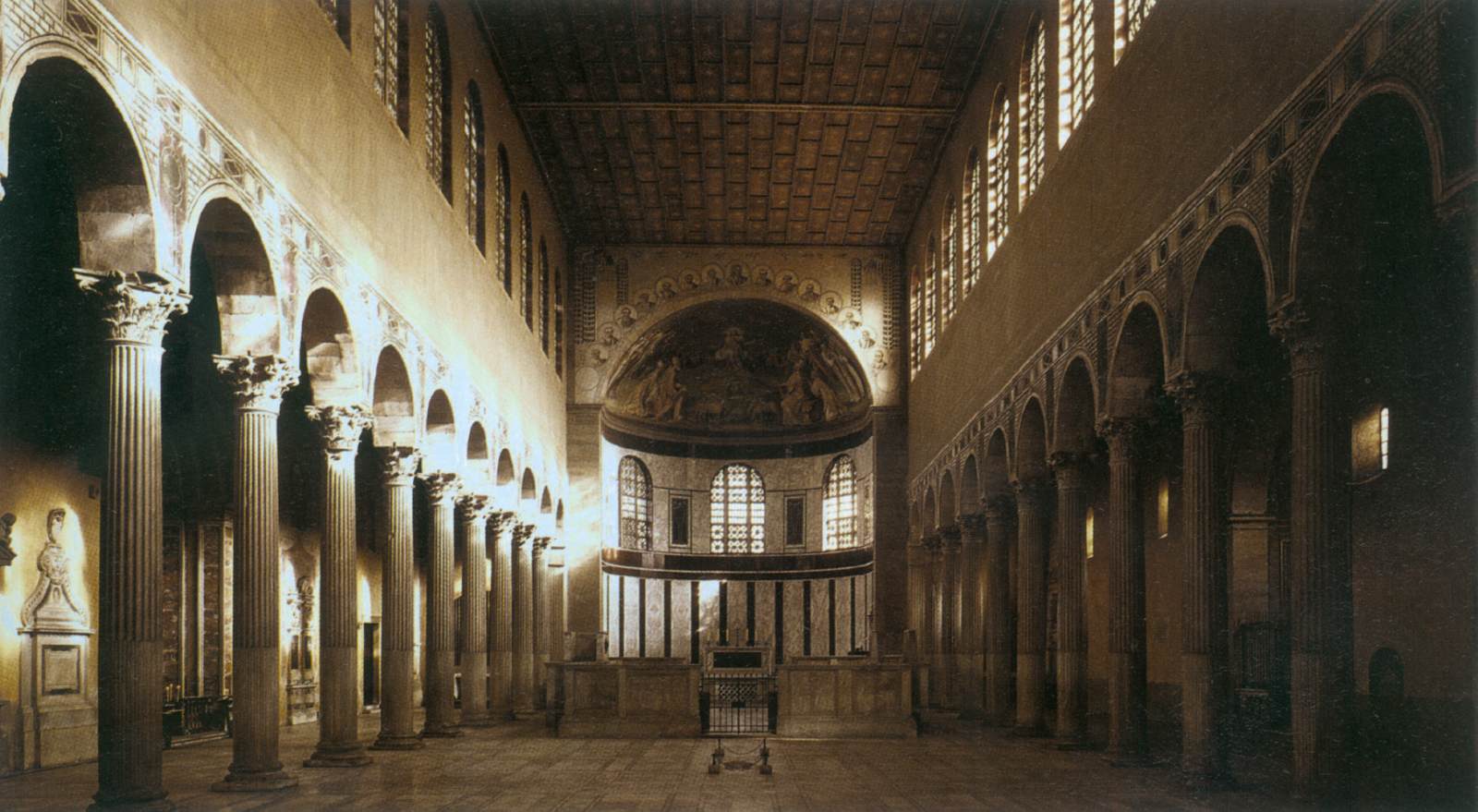
Never until the 17th century did church building flourish in Rome as it did in the century from 380 to 480. On one hand, there are four huge foundations of the Imperial and Papal courts: San Paolo fuori le mura, the Lateran Baptistery, Santa Maria Maggiore and San Stefano Rotondo. Alongside such monumental structures stand a dozen parish churches in the city, the suburbs, and on the great estates. By sheer number they determine the picture of 5th-century Christian Rome as much as the more ambitious imperial and papal foundations. Santa Sabina is a superb example, well preserved and well restored.
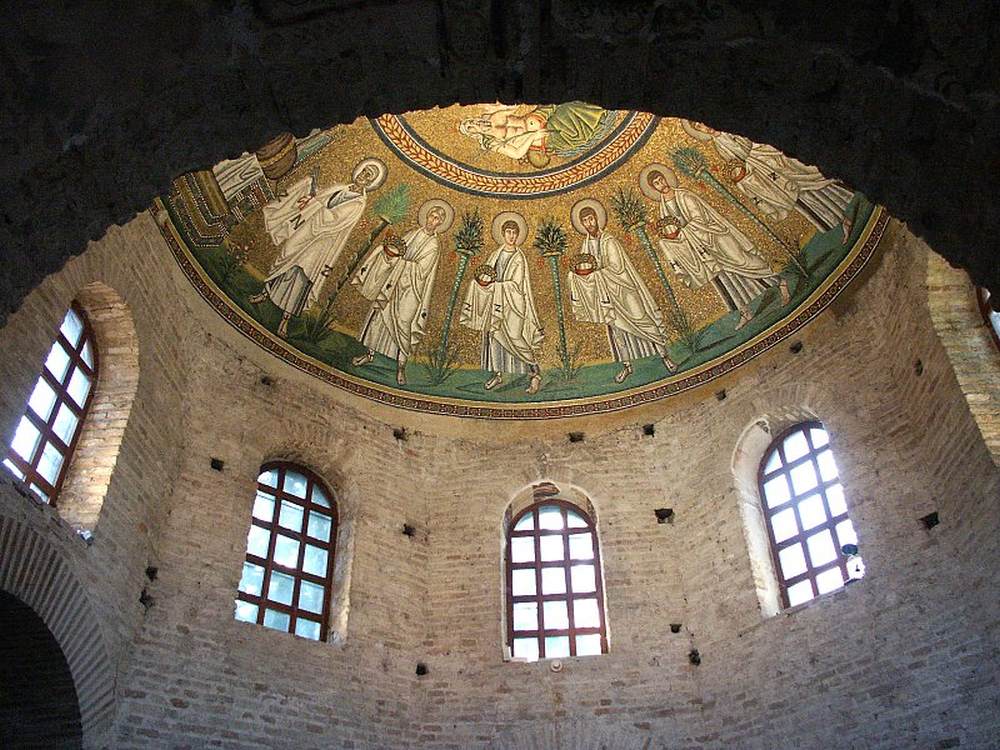
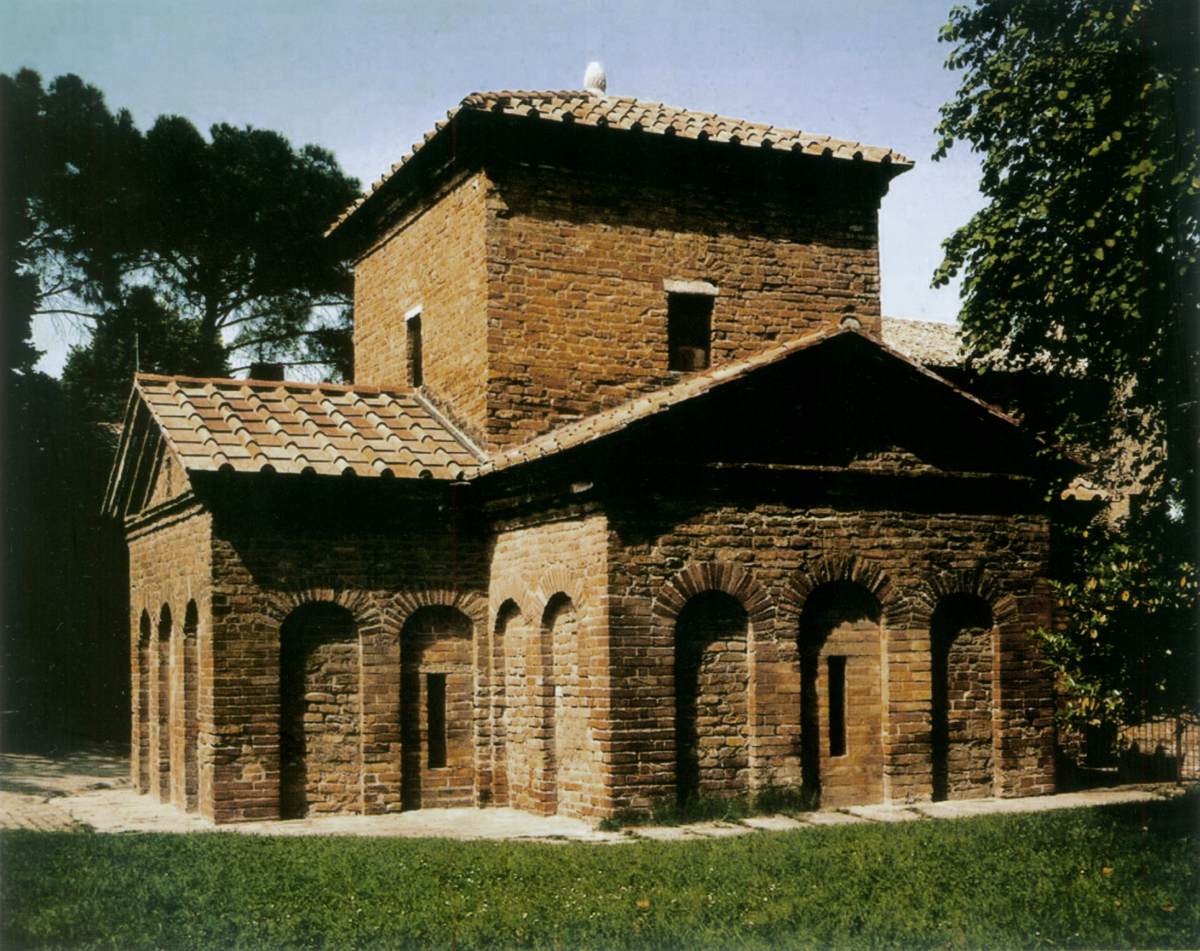
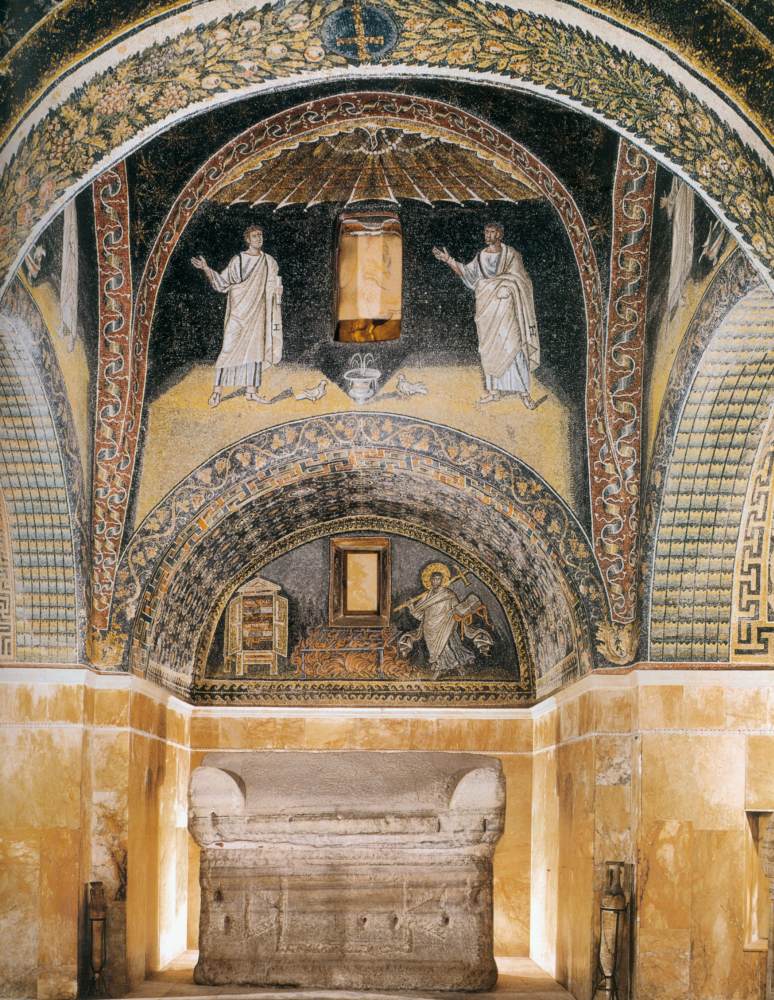
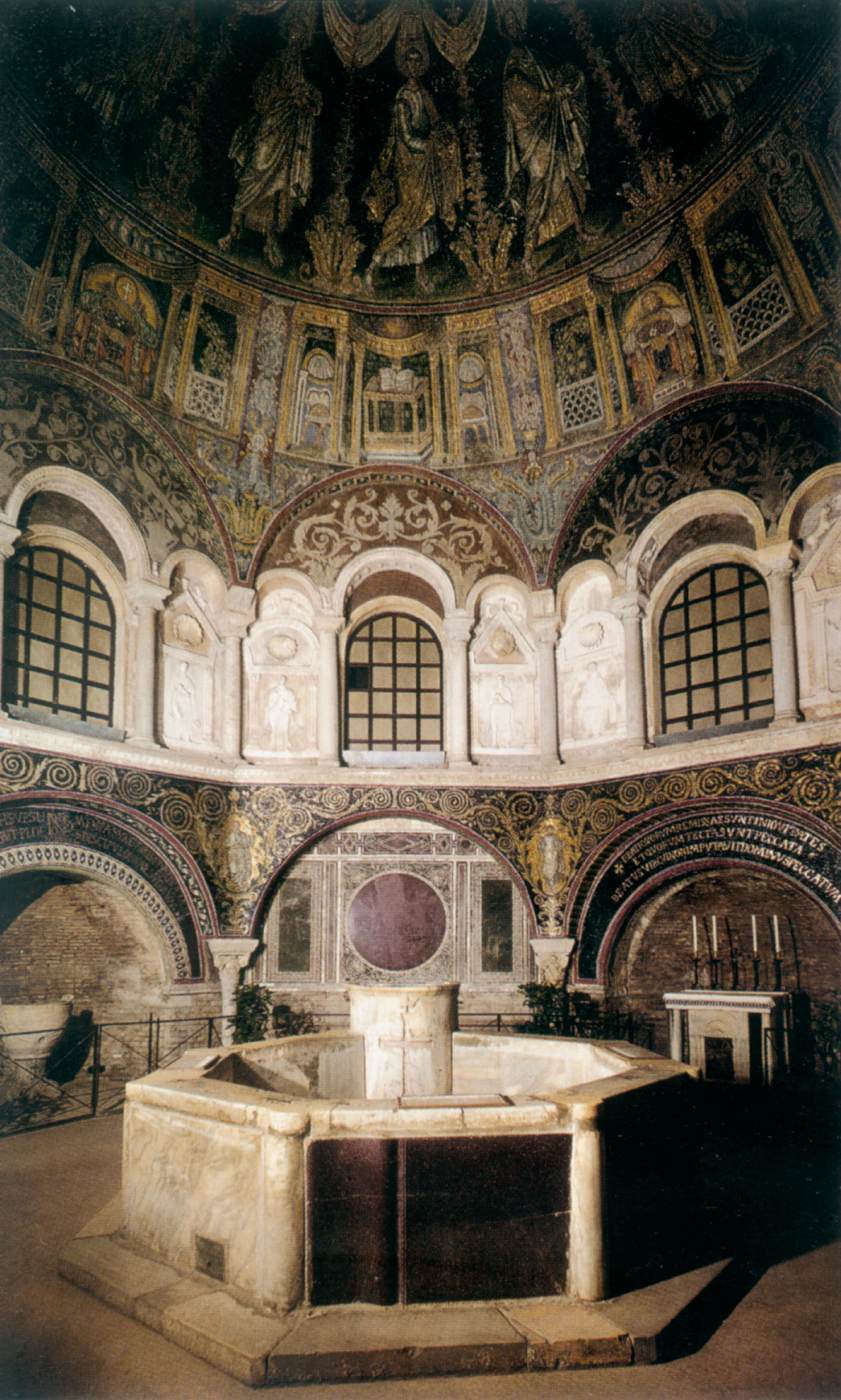
In AD 402 the western emperor Honorius (reg 395-423) transferred his residence from Milan to Ravenna. Ravenna's Early Christian monuments reveal a striking continuity of local tradition both in their forms and construction techniques, the walls being built of thick bricks and the vaults of terracotta tubes. The commonest church form in Ravenna is the simple basilica without galleries, which has its antecedents in 4th-century Italy. San Giovanni Evangelista, the Mausoleum of Galla Placidia, the Orthodox and Arian Baptisteries were built in the 5th century.